|
| 







Countdown
Indonesia’s bakery sector has experienced remarkable growth and is widely regarded as one of the most dynamic food markets in Southeast Asia. Driven by urbanization, rising purchasing power, and a large young population, demand for baked goods continues to increase across the country. As a result, global suppliers and food companies are paying closer attention to the Indonesian market. Industry platforms such as theIndonesia Baking Exhibition provide valuable opportunities for businesses to explore partnerships and better understand the evolving dynamics of Indonesia’s bakery industry.
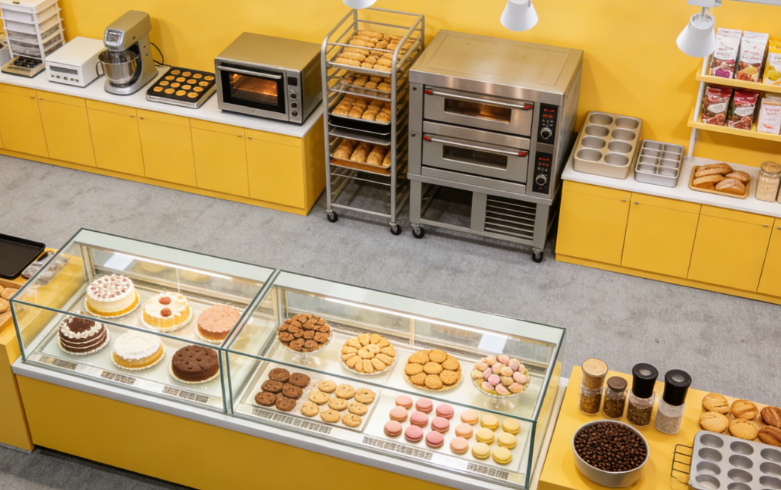
According to data from Statista, Indonesia’s bakery market has already surpassed USD 4 billion in value and is projected to reach approximately USD 5.3 billion in the coming years, representing an average annual growth rate of around 18%. Several factors are supporting this expansion, including population growth, economic development, and changing consumer lifestyles.
Indonesia has a population of about 279 million people, with roughly 56% living on the island of Java, which serves as the country’s primary consumption hub. The expanding middle class and increasing purchasing power among urban consumers are significantly boosting demand for high-quality bakery products and new food experiences.
Market Momentum: A Rapidly Growing Bakery Industry
Indonesia’s bakery industry continues to demonstrate strong development momentum. Market estimates suggest that the sector has reached a scale of nearly RMB 39 billion, reflecting consistent expansion in recent years. This growth is closely related to the increasing popularity of convenient foods and Western-style bakery products among Indonesian consumers.
A relatively young population structure also contributes to the market’s vitality. With a median age of around 30, Indonesia has a large number of young consumers who are open to trying new products and modern food concepts. Bread, pastries, and other baked goods are gradually becoming a more common part of everyday consumption.
At the same time, health-conscious eating habits are beginning to influence the bakery sector. Products featuring gluten-free ingredients, multigrain recipes, and reduced sugar formulations are attracting greater attention. In addition, plant-based and vegetarian bakery products are showing steady growth potential, encouraging companies to explore innovative ingredients and product concepts.
Supply Chain Opportunities in a Growing Market
Despite strong consumer demand, Indonesia’s domestic supply chain for bakery ingredients still has room for development. Due to natural conditions, wheat cultivation in Indonesia is extremely limited, and flour production largely depends on imported wheat. Similar patterns can also be observed in sectors such as dairy ingredients, bakery equipment, and packaging machinery.
Industry estimates suggest that around 70% of the raw materials used in Indonesian bread production are imported. This reliance highlights the development potential within the country’s bakery supply chain and creates opportunities for international suppliers to participate in the market.
As the bakery sector continues to expand, areas such as ingredient sourcing, food processing technologies, and packaging solutions are expected to play an increasingly important role in supporting the industry’s development.
Consumer Preferences: Local Taste Meets Modern Bakery
Indonesian consumer preferences are influenced by distinctive cultural and culinary traditions. In general, local consumers tend to prefer sweeter flavor profiles. Bread is often consumed as a complementary food rather than a staple item, and it is frequently enjoyed alongside beverages.
Indonesia also has a strong coffee culture, which has an impact on bakery product preferences. Light and flavorful pastries that pair well with coffee beverages are particularly appealing to consumers. As a result, bakery products designed for café-style consumption are gaining popularity.
Meanwhile, traditional flavors are being reintroduced in modern bakery formats. Social media platforms and international baking education programs are accelerating the spread of new product ideas and techniques. These influences encourage the integration of global trends with local tastes, inspiring new bakery creations.
Digital Channels Supporting Market Expansion
Digital transformation is opening new opportunities for Indonesia’s bakery industry. Online platforms and food delivery services are playing an increasingly important role in food distribution and retail.
Bakery sales through e-commerce channels have grown significantly in recent years. Digital platforms such as GoFood and Shopee Food are extending their services beyond major urban centers, reaching smaller cities and even rural areas. This expansion allows bakery brands to connect with a broader consumer base.
The continued growth of online retail is expected to further strengthen the bakery market. As digital purchasing becomes more common, online channels are likely to play an even greater role in shaping consumer behavior and product accessibility.
Health-Oriented Bakery Products on the Rise
Health-conscious bakery products are becoming an important segment of Indonesia’s food market. Consumer interest in healthier options continues to rise, particularly among younger generations.
Products featuring lower sugar levels, simplified ingredient lists, and balanced nutritional profiles are gaining increasing attention. As awareness of healthy eating grows, bakery manufacturers are exploring ways to combine taste, quality, and nutritional value in their product offerings.
Overall, Indonesia’s bakery industry is entering a new stage of development shaped by demographic changes, consumption upgrades, and digital transformation. For ingredient suppliers, equipment manufacturers, and food companies, the Indonesian market offers significant opportunities for collaboration and long-term growth.
Source: news.foodmate.net

© 2015-2022 Bakery China Exhibitions Co., Ltd. 京ICP备14040776号-1 
All the third-party information is all advertisement.