|
| 







Countdown
The baking industry is entering a new stage of development as consumer expectations continue to evolve. Bread and desserts are no longer viewed simply as everyday foods; they are increasingly associated with health awareness, sensory enjoyment, and emotional satisfaction. Market insights and consumer data indicate that several key trends are influencing the direction of bakery innovation worldwide. From high-protein products and texture creativity to flavor exploration and new consumption habits, these developments are creating fresh opportunities for the bakery sector. For professionals across the industry, understanding these trends—often highlighted at international platforms such as the Baking Expo—can help guide product development and market strategies in the coming years.
Protein Power: Fueling Active Lifestyles
Health considerations are playing a growing role in how consumers choose their food. Global data shows that about 67% of consumers prioritize health benefits when selecting products. Within this context, protein has become a key driver of innovation in the baking sector.
Traditionally associated with sports nutrition or energy bars, the concept of high-protein foods is now expanding into everyday bakery items. High-protein bread, for example, has seen a search increase of 282%, while searches related to high-protein desserts have grown dramatically by 7800%. These numbers illustrate how consumers are looking for bakery products that combine familiar flavors with added nutritional value.
As a result, many bakery brands are exploring ways to incorporate protein into bread, pastries, and snacks without compromising taste or texture. Products that offer both enjoyment and nutritional benefits are increasingly becoming part of modern lifestyles.
Texture: Enhancing the Sensory Experience
Texture has emerged as one of the most important aspects of modern bakery products. Consumers are no longer satisfied with a single texture; instead, they look for combinations that create contrast and excitement. Crispy yet chewy, soft yet crunchy, or flaky pastry paired with creamy filling are all examples of texture contrasts that attract attention.
These layered textures contribute to a richer sensory experience. According to consumer research, around 71% of people believe that texture plays a key role in their enjoyment of food. As a result, bakeries are paying more attention to structural design when developing new products, ensuring that each bite offers a distinctive and satisfying mouthfeel.
Sourdough: Tradition Meets Modern Demand
Sourdough continues to gain popularity as both a flavorful and naturally appealing baking method. Many consumers associate sourdough products with quality and authenticity. Surveys indicate that about 58% of consumers believe sourdough is healthier than conventional bread, while 70% appreciate its distinctive flavor.
What was once mainly associated with traditional bread is now expanding into a wider range of bakery categories. Sourdough techniques are increasingly being used in pastries, desserts, and snack products, providing new opportunities for innovation. This renewed interest in fermentation reflects a broader appreciation for traditional methods and natural processes in food production.
Perfect Portions: The Rise of Mini Desserts
Another important trend shaping the bakery market is the growing popularity of smaller portion sizes. More than 60% of consumers now prefer mini desserts or single-serve bakery products. These smaller portions allow people to enjoy sweet treats while maintaining a sense of balance in their diets.
The popularity of “mini desserts” has surged, with search volumes increasing by approximately 400%. Products such as bite-sized cakes have also gained attention in various markets. By offering smaller yet visually appealing creations, bakeries can deliver indulgence while also aligning with modern consumption habits.
Tangy Twist: A Fresh Approach to Flavor
Flavor preferences are evolving as consumers seek more refreshing alternatives to traditional sweetness. Bright and tangy ingredients such as lemon and passion fruit are gaining popularity in desserts, providing a lighter and more balanced taste.
In addition, more distinctive ingredients are appearing in bakery recipes. Tamarind, Sicilian orange blossom, and Thai lime are examples of ingredients that introduce new flavor dimensions and cultural influences. These elements help create unique taste experiences while expanding the creative possibilities for bakery products.
Texture Mashups: Creating Memorable Experiences
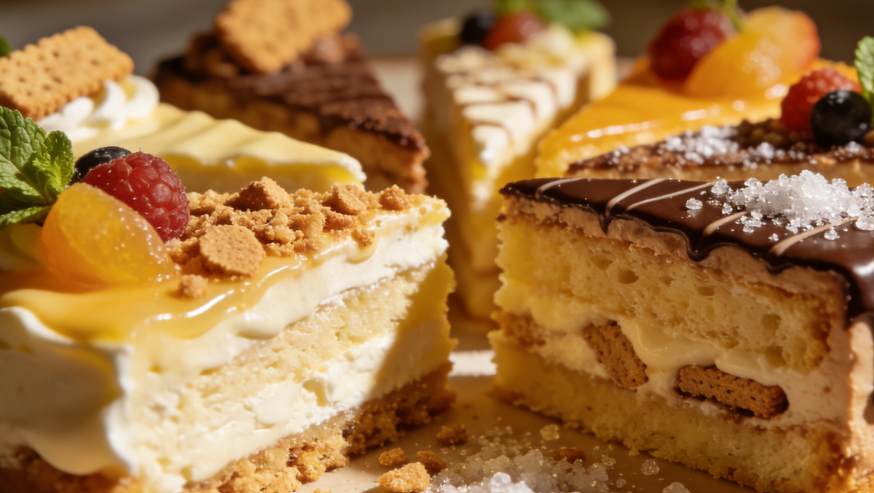
Innovation in cakes and pastries is increasingly driven by the creative combination of fillings and textures. Products that mix multiple structures—such as soft mousse layered with crunchy biscuit pieces or flowing sauces paired with dense cake bases—can deliver surprising and memorable eating experiences.
These combinations enhance both the sensory appeal and the uniqueness of a product. Research shows that 71% of consumers associate layered textures with greater enjoyment when eating desserts. As a result, bold texture mashups are becoming an important direction for bakery innovation.
As health awareness, sensory exploration, and product creativity continue to converge, the bakery industry is experiencing a new wave of development. From ingredient innovation to evolving consumption habits, these trends are shaping the future of baking. Industry platforms such as the Baking Expo provide valuable opportunities for professionals to explore these developments, exchange ideas, and discover new inspiration for the next generation of bakery products.
Source: Puratos

© 2015-2022 Bakery China Exhibitions Co., Ltd. 京ICP备14040776号-1 
All the third-party information is all advertisement.