|
| 







Countdown
The global bakery landscape is constantly evolving, offering a wealth of inspiration through innovations in form, texture, and increasingly complex flavor combinations. In many parts of the world, bakery trends are no longer driven solely by visual appeal but also by the exploration of production techniques, ingredient precision, and sensory experiences. These developments set the stage for exciting new products that capture consumer imagination. As industry professionals gather to showcase the latest advancements, many of these innovations will be on display at the IndonesiaBaking Exhibition, where the focus will be on how global ideas can be tailored to local tastes.
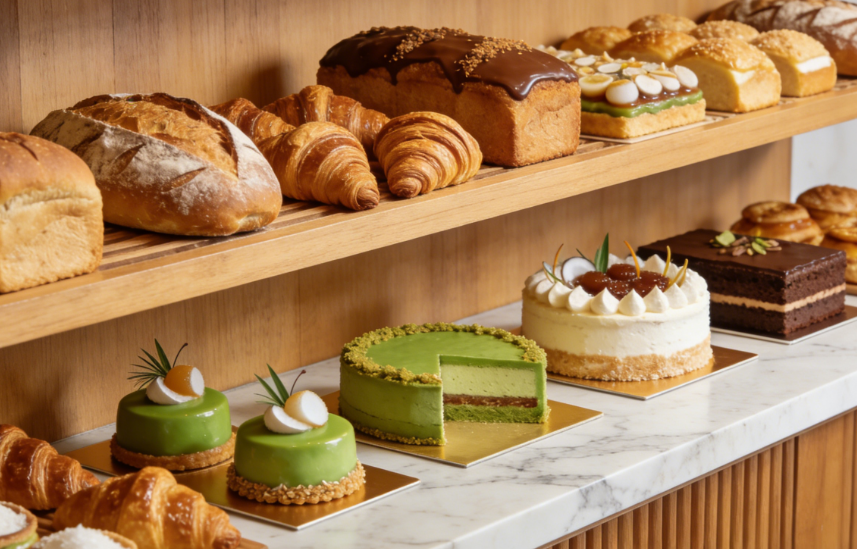
However, not every international trend can be directly applied to the Indonesian market. Successful adaptation requires a deep understanding of local preferences, consumption habits, and consumer characteristics in Indonesia. Turning inspiration into products that perform well in the market depends on striking the right balance between novelty and familiarity.
According to Chef Galih Gumilar, products with strong and steady demand in the Indonesian market tend to be those already well established across many cities across the archipelago. In the cake category, Swiss rolls, sliced cakes, ring cakes, and marble cakes remain consistent favorites. Their flexible format allows for easy development in terms of flavor, appearance, and concept while retaining the recognizable qualities that Indonesian consumers trust.
In the bread category, sweet breads with a wide range of flavors, toppings, and distinctive shapes continue to be highly popular among Indonesian consumers. In some regions, these breads also serve a social function—acting as gifts or offerings for special occasions. This dual role as both everyday fare and part of local cultural practices gives bread a unique and enduring place in the Indonesian market.
Meanwhile, in the pastry segment, croissants and Danish pastries are gaining traction among Indonesian consumers. Their appeal lies in the contrast between a flaky outer layer and a soft interior, paired with flavors that differ from traditional local pastries yet remain accessible for daily enjoyment.
When it comes to adapting global bakery trends for the Indonesian market, Chef Galih emphasizes that the first step is understanding what local consumers truly enjoy. Bread and cakes remain the most sought-after categories and often serve as the core benchmark for the bakery industry in Indonesia. Wherever a bakery operates in the country, these two categories typically anchor the menu. Cakes and breads frequently double as gifts or ceremonial offerings, which elevates the importance of appearance, presentation, and consistent quality.
To stay relevant, product innovation should follow current developments in appearance, flavor variations, and presentation concepts. However, one aspect that must not be overlooked is texture. Indonesian consumers tend to favor soft breads and cakes, making softness the foundation of product development even when drawing inspiration from global trends.
Several examples illustrate how global bakery trends have been successfully adapted for the Indonesian market. Croissants and Danish pastries, which traditionally feature classic fillings such as butter, almond, and custard, have evolved in Indonesia to include favorite local flavors like chocolate, cheese, and chocolate–cheese combinations. This approach preserves the European roots of the pastry while aligning with Indonesian taste preferences. Similarly, Swiss rolls popular abroad have been adapted in Indonesia into bolu gulung with local flavors such as pandan, chocolate, cheese, and coffee. The form remains familiar, while the flavors are adjusted to match domestic preferences. In the sweet bread category, global trends encouraging eye-catching and playful shapes have translated into products with unique looks, all while maintaining the soft texture and familiar flavors that appeal to Indonesian consumers.
When modifying or developing new products, Chef Galih highlights the importance of understanding the core flavor profile to be achieved. Innovation works best when it builds on a product’s original character. Practical principles include preserving the product’s softness and moisture throughout the baking process, and pairing new ingredients or flavors with fillings already familiar to Indonesian consumers, such as cheese or chocolate. In this way, products feel fresh and innovative while staying true to their essential identity.
One of the main challenges in adapting global trends for the Indonesian market lies in maintaining consistent quality, product stability, and reliable production at scale. This is where precise recipe measurement and careful ingredient selection come into play. By choosing the right ingredients suited to the specific application, bakers can innovate with confidence while keeping flavors familiar to Indonesian consumers.
In conclusion, successfully adapting global bakery trends for the Indonesian market requires a thoughtful approach that honors local tastes while embracing innovation. Soft texture, familiar flavors, and consistent quality remain the cornerstones of product development that resonates with Indonesian consumers. By understanding what local customers truly value—whether in everyday breads, celebratory cakes, or emerging pastry favorites—bakers can create products that not only draw inspiration from global movements but also earn a lasting place in the Indonesian marketplace.
Source: Golden Agri-Resources

© 2015-2022 Bakery China Exhibitions Co., Ltd. 京ICP备14040776号-1 
All the third-party information is all advertisement.