|
| 







Countdown
The global landscape of food manufacturing is currently witnessing a significant shift as the traditional boundaries between artisanal craftsmanship and industrial efficiency continue to dissolve. In this modern era, the baking industry no longer relies exclusively on the intuitive touch of manual labor; instead, a more systematic approach has emerged to meet the rising global appetite for consistent, high-quality products. This transition toward sophisticated automation is not merely about increasing output but involves replicating the delicate nuances of handmade dough at a commercial scale. The technological breakthroughs enabling this balance between tradition and robotic precision serve as a primary focus for professionals at the Baking Equipment Exhibition.
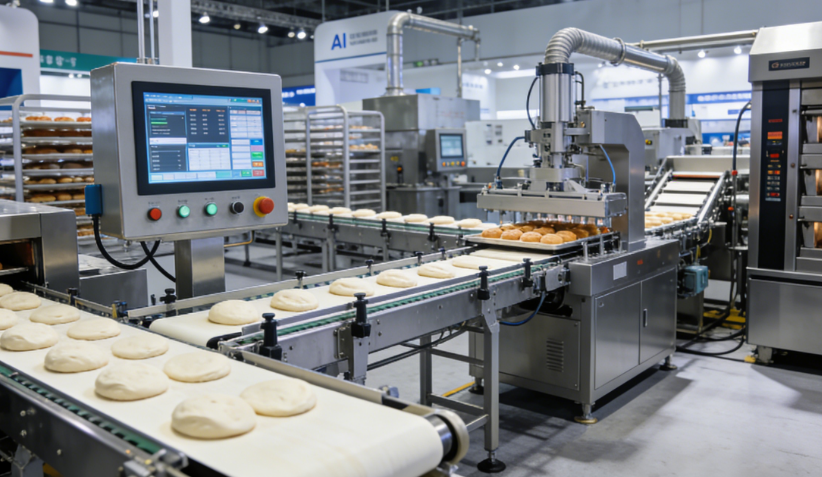
Modern manufacturing observations indicate that the move toward automated production lines is driven by the necessity to eliminate the inherent variability of manual processes. Specialized research suggests that contemporary systems are now capable of managing the complex rheological properties of dough with extreme accuracy. By utilizing advanced sensors and climate-controlled fermentation chambers, these setups maintain the precise levels of humidity and temperature required for optimal yeast activity. This level of technical control ensures that every loaf of bread or pastry meets a standardized quality profile, effectively reducing material waste and enhancing the reliability of the global supply chain.
Technical advancements in mechanical engineering have introduced "stress-free" dough handling as a critical industry standard. While traditional high-speed machinery often compromised the cellular structure of the dough, newer equipment utilizes gentle sheeting and cutting methods that mimic hand-stretching techniques. This preservation of the dough’s integrity ensures that the final product retains a characteristic airy crumb and artisanal crust. Such innovations allow large-scale facilities to produce goods that rival the sensory appeal of boutique bakeries while maintaining the efficiencies required for mass distribution.
The integration of artificial intelligence and machine learning is also redefining the maintenance and operation of modern bakeries. Predictive analytics now identify potential mechanical issues before they lead to downtime, ensuring a continuous and efficient workflow without constant human intervention. Furthermore, the adoption of modular designs allows production lines to pivot quickly between different product types—from laminated croissants to dense rye breads—without extensive retooling. This flexibility is essential for staying competitive in a market where consumer preferences shift rapidly and seasonal demands vary.
Beyond the machinery itself, there is a growing emphasis on "hygienic design" to meet increasingly stringent safety standards. Modern facilities are constructed with specialized stainless steel components and automated cleaning-in-place (CIP) systems that minimize the risk of cross-contamination. These investments in food safety not only protect the end consumer but also enhance the long-term reputation of the manufacturing facility for excellence. The synergy between high-speed output and uncompromising safety protocols has become the definitive benchmark for success in the international bakery market.
Operational strategies are also being influenced by the urgent need for energy efficiency and environmental sustainability. Newer generations of industrial ovens and proofing cabinets are designed to recover waste heat and reduce water consumption, aligning the manufacturing process with global ecological goals. The long-term cost savings associated with these energy-efficient models provide a compelling economic argument for the total modernization of older facilities. As the industry looks to optimize its bottom line, the transition toward "green" manufacturing technology has moved from a niche preference to a core business requirement.
In conclusion, the future of the baking industry lies in the seamless integration of human expertise and machine precision. By embracing the latest advancements in automation, manufacturers are able to honor the heritage of traditional baking while meeting the logistical demands of a modern population. The ongoing dialogue between culinary craft and mechanical science continues to drive the sector forward, ensuring that the art of baking remains both an aesthetic pursuit and a precise industrial discipline. The full spectrum of these transformative technologies and their practical applications remains a central theme for all stakeholders attending the Baking Equipment Exhibition.
Source: FoodNext

© 2015-2022 Bakery China Exhibitions Co., Ltd. 京ICP备14040776号-1 
All the third-party information is all advertisement.