|
| 







Countdown
At global industry platforms such as the International Bakery Exhibition, changing consumer preferences and economic pressures are frequently highlighted as key factors shaping the bakery market. In particular, the buns and rolls category is undergoing noticeable transformation as brands respond to demand for premium quality, indulgent flavors and innovative product formats.
Although overall growth in the category remains relatively moderate, specialty and premium bakery products are emerging as important drivers of value. Consumers are increasingly seeking bakery items that provide richer taste, higher perceived quality and more distinctive eating experiences.
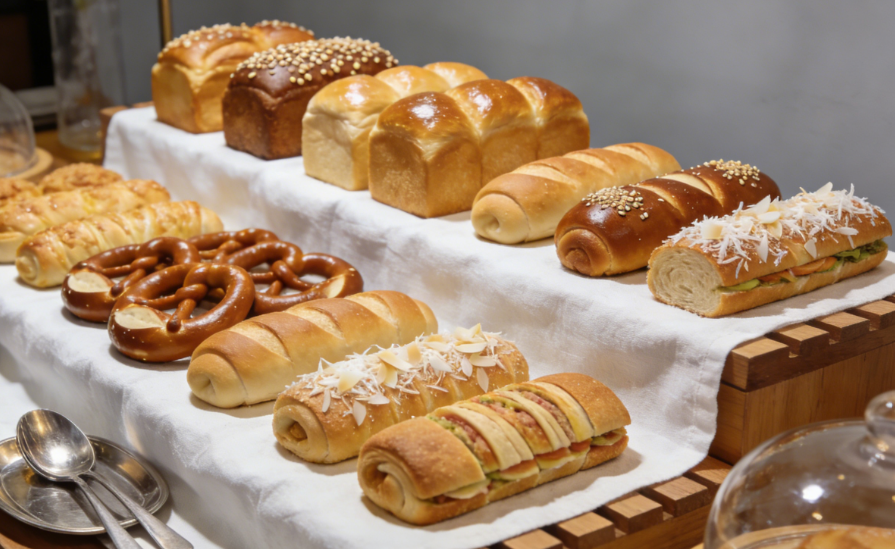
One of the most visible trends within the segment is the rising popularity of premium buns and rolls, especially varieties such as brioche, Hawaiian rolls and packaged croissants. These products offer a combination of soft texture, buttery flavor and visual appeal that aligns well with consumers’ interest in indulgent bakery options.
Globally inspired bakery styles are also gaining traction. Retail shelves are seeing a growing range of international formats, including artisan pretzel buns, specialty sandwich rolls and seasonal bakery varieties. These products provide new flavor experiences while also helping brands differentiate themselves in a competitive marketplace.
Younger consumers are playing a particularly important role in driving this shift. Market analysts note that younger demographics tend to gravitate toward bakery products that feature bold flavors, unique inclusions and artisanal-style production. As a result, manufacturers and retailers are experimenting with innovative seasoning blends, specialty dough formulations and creative product formats.
Retailers are also expanding their premium private-label bakery portfolios. Many supermarkets have introduced specialty bakery items designed to replicate restaurant-style experiences at home. Examples include flavored croissant-based snacks, seasoned sandwich rolls and upgraded brioche burger buns that cater to consumers seeking both convenience and indulgence.
Innovation within the buns and rolls category often begins in fresh bakery departments before expanding into packaged products. New flavors and formats are frequently introduced through in-store bakery programs, where they can be tested directly with consumers. Successful concepts are then adapted for center-store packaged distribution, allowing brands to reach a broader market.
Brioche buns provide a clear example of this development path. Once considered a niche artisanal product, brioche has gradually moved into the mainstream retail market. Its rich flavor, tender crumb and appealing golden color make it particularly popular for gourmet burgers, sandwiches and specialty meals.
Beyond brioche, other premium varieties are also attracting attention. Hawaiian rolls continue to perform strongly due to their soft texture and slightly sweet taste, while potato buns are gaining recognition for their moist crumb and distinctive mouthfeel. These varieties allow manufacturers to offer differentiated bakery options that stand apart from traditional white bread buns.
Industry experts suggest that brands looking to succeed in the buns and rolls segment should emphasize premium positioning and ingredient transparency. Consumers are increasingly interested in knowing how their food is made and what ingredients are used in the production process.
Clean-label formulations, simplified ingredient lists and the use of high-quality flours are becoming important selling points. Premium and organic ingredients can enhance both product perception and consumer trust, particularly among younger buyers who prioritize food quality and authenticity.
Portion size is another factor influencing product development. With growing awareness of health and nutrition, some manufacturers are introducing smaller buns or slider-style formats that allow consumers to enjoy indulgent bakery products in more controlled portions.
At the same time, better-for-you (BFY) bakery options are emerging as a complementary trend within the category. Some companies are developing buns and rolls with reduced sugar, lower calorie counts or improved nutritional profiles while maintaining the taste and texture that consumers expect.
Functional ingredients, whole grains and alternative formulations are being explored as ways to enhance the nutritional value of bakery products without sacrificing indulgence. These innovations reflect a broader effort by the industry to balance enjoyment with health-conscious consumption.
Despite broader economic pressures affecting many food sectors, premium bakery products continue to demonstrate resilience. Consumers may limit spending in certain areas, but many are still willing to pay slightly more for products that offer superior flavor, texture and overall quality.
This shift toward premiumization illustrates a wider transformation taking place across the bakery industry. Buns and rolls are no longer viewed simply as everyday staples; they are becoming platforms for creativity, culinary inspiration and product differentiation.
Industry events such as the International Bakery Exhibition continue to showcase how manufacturers, ingredient suppliers and retailers are collaborating to drive innovation in this evolving market. From premium formulations to globally inspired flavors, the future of buns and rolls is increasingly defined by quality, diversity and consumer-driven innovation.
Source: Baking & Snack

© 2015-2022 Bakery China Exhibitions Co., Ltd. 京ICP备14040776号-1 
All the third-party information is all advertisement.