|
| 







Countdown
Consumer preferences in China’s bakery market are undergoing a noticeable transformation. Traditional high-fat, high-sugar baked goods are gradually losing momentum, while healthier alternatives such as whole wheat, sugar-free, and low-glycemic-index (low-GI) products are gaining popularity among an increasingly health-conscious consumer base. Rising awareness of nutrition, ingredient transparency, and balanced diets is reshaping purchasing decisions across the market. Against this backdrop, major industry platforms such as the ChinaBaking Exhibition have become important venues for companies to present new ingredients, technologies, and product innovations that reflect these changing consumer expectations.
As consumer awareness continues to evolve, the bakery industry is moving steadily toward healthier and more transparent production practices. Concepts such as clean labels, functional nutrition, and the integration of food with traditional medicinal ingredients are emerging as important innovation directions for bakery manufacturers. Companies are placing greater emphasis on ingredient sourcing, product formulation, and processing technologies in order to deliver baked goods that meet both taste expectations and nutritional demands.
Consumer Demand Is Evolving
Consumers today are paying closer attention to ingredient lists when choosing bakery products. Factors such as sugar content, fat composition, fiber levels, and the presence of additives are increasingly influencing purchasing decisions. Clean ingredients and additive-free products are becoming key purchase drivers, particularly among consumers who prioritize healthier daily eating habits.
Products with clean-label attributes often show stronger consumer loyalty and higher repurchase rates compared with conventional bakery products. Health-oriented characteristics are gradually shifting from optional selling points to essential product features in the bakery category. As a result, brands are focusing more on delivering products that combine flavor, nutrition, and ingredient transparency.
At the same time, the consumer base for healthy bakery products is expanding beyond traditional niche groups. While these products were once primarily associated with fitness enthusiasts or dieting consumers, they are now attracting a broader audience that includes middle-aged consumers, parents purchasing food for their families, and individuals seeking everyday wellness. Healthy baked goods are increasingly moving beyond snack occasions and becoming part of regular meals. Products such as whole wheat toast, multigrain bread, and high-fiber bagels are gaining popularity as convenient breakfast items or light meal replacements in fast-paced urban lifestyles.
Seasonal consumption trends also highlight these changing preferences. After the Chinese New Year holiday, many consumers begin to focus on dietary balance, with sugar control and fat reduction becoming common priorities. This shift often stimulates demand for bakery products featuring low-GI formulations, higher fiber content, and functional ingredients. Meanwhile, smaller packaging formats, short-shelf-life products, and freshly prepared baked goods are gaining popularity as consumers place greater emphasis on freshness and food safety.
The Industry Enters a New Phase of Health-Focused Development
As market demand evolves, bakery companies are upgrading their entire value chains—from ingredient selection and product development to manufacturing processes and supply chain management. Industry observers generally point to three major directions shaping the future development of the bakery sector.
The first is the growing importance of clean-label strategies. The clean-label concept, which originated in the European market, encourages manufacturers to simplify ingredient lists and reduce the use of non-essential additives. By focusing on recognizable ingredients and transparent labeling, bakery brands can respond to consumer concerns about over-processing while building stronger trust with customers.
The second key direction is the development of functional nutrition within bakery products. Companies are increasingly introducing baked goods that support specific dietary needs, such as sugar control, digestive health, and balanced nutrition. Low-GI formulations, reduced-sugar recipes, high-fiber ingredients, and high-protein bakery products are becoming more common in the market. Ingredients such as whole grains, oats, quinoa, chia seeds, and flaxseeds are widely used to enhance nutritional value while maintaining appealing taste and texture.
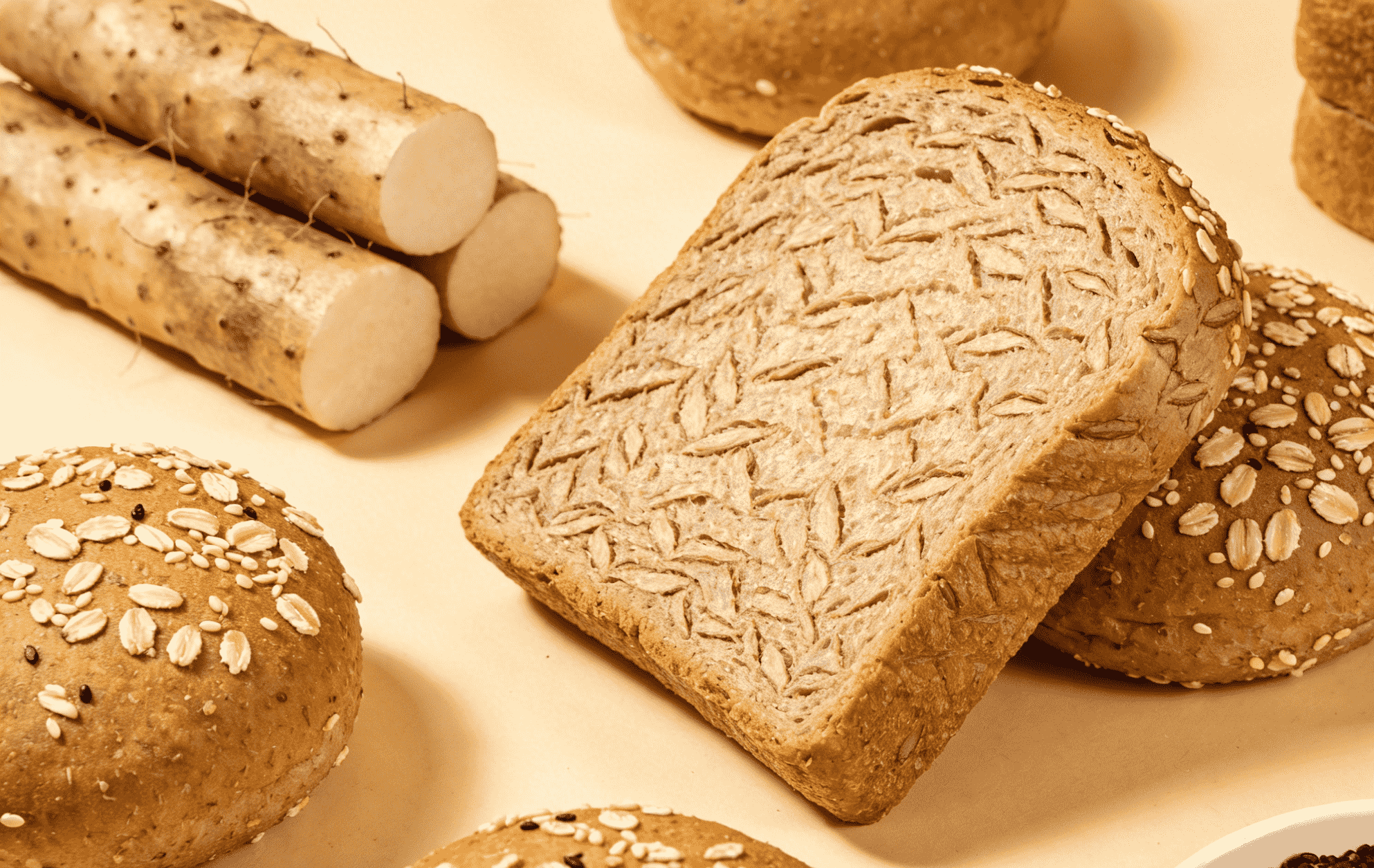
The third direction represents a distinctive feature of China’s bakery innovation: the integration of food with traditional medicinal ingredients. Certain ingredients traditionally associated with both nutrition and wellness—such as Chinese yam, black sesame, red dates, and wolfberries—are increasingly incorporated into modern baked goods. These Chinese-style wellness bakery products combine traditional dietary culture with contemporary baking techniques, creating offerings that resonate strongly with local consumers. Compared with many Western-style healthy bakery products, these culturally inspired items often deliver a stronger sense of familiarity and identity, which can further enhance consumer appeal.
Industry exhibitions and professional exchange platforms are also playing an important role in accelerating innovation across the bakery sector. Events such as the China Baking Exhibition bring together bakery brands, ingredient suppliers, equipment manufacturers, and industry professionals from across the value chain. Through product showcases, technology demonstrations, and industry discussions, these platforms help promote collaboration and enable companies to stay informed about emerging trends in healthy baking, smart manufacturing, and ingredient innovation.
At the production level, leading bakery companies are investing in standardized manufacturing systems, AI-powered quality inspection technologies, and advanced product traceability solutions. These investments help ensure product consistency while strengthening consumer confidence in food quality and safety. In addition, the continued expansion of cold-chain logistics is supporting the growth of short-shelf-life and freshly baked product formats, allowing companies to deliver bakery products with improved freshness and reliability.
Industry experts note that healthy baking is no longer simply a marketing slogan but part of a broader transformation across the entire bakery industry chain. From ingredient innovation and product formulation to manufacturing technology and retail presentation, companies are redefining how bakery products can better align with modern dietary expectations.
Looking ahead, the bakery sector is expected to enter a new phase characterized by deeper health-focused development, differentiated product innovation, and increasing brand concentration. Clean labels and functional nutrition are likely to become standard features across a wide range of bakery products. At the same time, smaller portion sizes, convenient packaging, and portable formats will continue to match the needs of modern lifestyles. As these trends continue to evolve, healthy baked goods are expected to move further into everyday dining scenarios, gradually becoming a regular presence on family dining tables and an integral part of balanced daily diets.
Source:China Food News

© 2015-2022 Bakery China Exhibitions Co., Ltd. 京ICP备14040776号-1 
All the third-party information is all advertisement.