|
| 







Countdown
Frozen bakery products have evolved from a niche convenience category into a strategic growth engine for both food manufacturers and logistics providers. As product varieties expand and global demand continues to rise, the performance of cold chain logistics has become increasingly critical. Temperature stability, delivery reliability, and sustainability are no longer merely operational concerns but key competitive advantages across the bakery supply chain.
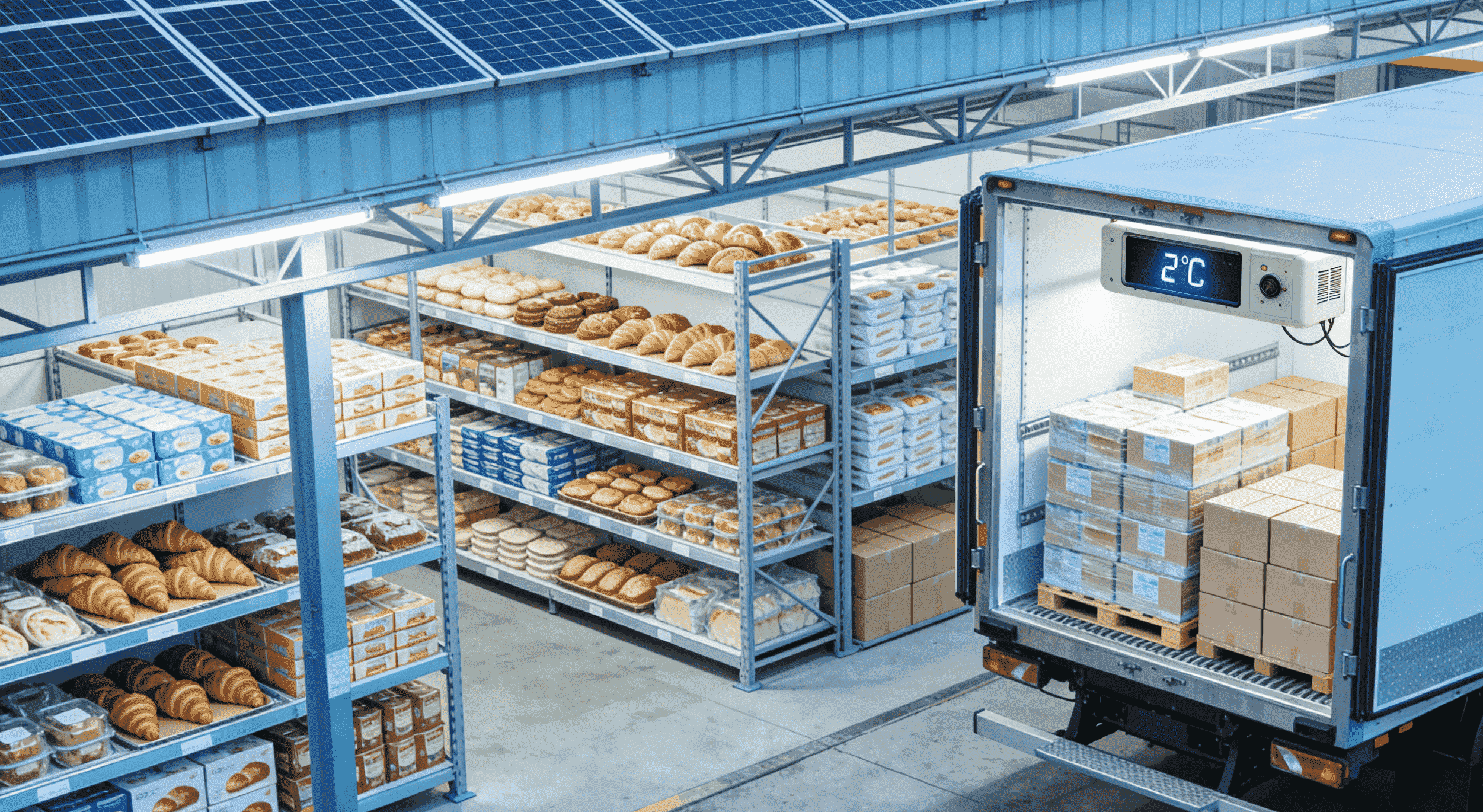
The growing importance of frozen bakery has also become a frequent topic in international industry discussions. At major events such as Baking Expo, manufacturers, distributors, and logistics providers are increasingly exploring how innovations in cold chain technology can support the rapid expansion of frozen bakery products in both retail and foodservice markets.
Frozen bakery items—including croissants, puff pastries, artisan breads, and specialty products such as gluten-free baked goods—fit well with modern consumption patterns. Their appeal lies in several practical advantages: longer shelf life, consistent product quality, and the ability to reduce food waste. For retailers and foodservice operators, frozen bakery provides the flexibility to bake products on demand, ensuring freshness while minimizing inventory risks.
This “bake-off” model has become particularly valuable in supermarkets, convenience stores, and quick-service restaurants. By storing frozen dough or partially baked products and finishing them on site, operators can offer freshly baked goods throughout the day without the complexity of full in-house production. The model improves operational efficiency and helps businesses respond quickly to fluctuations in consumer demand.
However, the success of frozen bakery depends heavily on maintaining a reliable cold chain. From manufacturing facilities to distribution centers and retail outlets, the integrity of temperature control determines product safety and quality. Frozen bakery items must generally be stored and transported at temperatures of around –18°C or below to preserve texture, flavor, and food safety.
Maintaining such conditions consistently can be challenging. Products that contain large amounts of butter, cream, or delicate dough structures are particularly sensitive to temperature fluctuations. Even small variations during transportation or storage can lead to quality degradation, texture changes, or reduced shelf life.
The risks become even greater during last-mile delivery, where cold chain interruptions are more likely to occur. In many markets, the rapid growth of e-commerce food delivery and decentralized retail networks has increased the complexity of distribution. Ensuring stable temperatures across multiple delivery stages requires more sophisticated logistics systems than traditional frozen food supply chains.
At the same time, sustainability concerns are pushing the industry to rethink traditional refrigeration methods. Conventional refrigerated transport often relies on energy-intensive systems that increase operational costs and carbon emissions. As environmental regulations tighten and companies pursue greener supply chains, the frozen bakery sector is actively searching for more efficient solutions.
One approach that has gained growing attention is passive cold chain packaging. Unlike traditional active refrigeration systems, passive solutions maintain temperature control without external power sources. Instead, they rely on insulated containers combined with specially designed cooling materials that stabilize internal temperatures during transportation.
These systems offer several advantages. They reduce energy consumption, simplify logistics operations, and can be particularly effective for shorter transport routes or last-mile delivery. For frozen bakery products, passive packaging helps protect product quality while also lowering the environmental footprint of distribution.
Advances in packaging materials are also improving cold chain performance. High-efficiency insulation technologies and phase-change materials can maintain stable temperatures for extended periods, reducing the risk of product thawing during transport. These innovations are especially valuable for international shipments or complex distribution networks where maintaining consistent conditions can be difficult.
Beyond packaging, digital technologies are increasingly integrated into cold chain management. Temperature monitoring systems, real-time tracking, and data analytics allow logistics providers to detect potential disruptions early and respond quickly. Such technologies help improve transparency and reliability across the entire supply chain.
As frozen bakery products continue to gain popularity worldwide, the sector’s influence on cold chain logistics is becoming increasingly significant. The need to maintain strict temperature standards, ensure reliable distribution, and meet sustainability targets is driving innovation across packaging, transportation, and supply chain management.
Looking ahead, the relationship between frozen bakery production and cold chain logistics is expected to grow even closer. Industry gatherings such as Baking Expo provide important platforms for professionals to exchange ideas, showcase new technologies, and explore solutions that support the next stage of growth in frozen bakery distribution.
In this evolving landscape, frozen bakery is no longer simply a product category—it is a catalyst for broader transformation in the global cold chain industry.
Source: Worldbackers

© 2015-2022 Bakery China Exhibitions Co., Ltd. 京ICP备14040776号-1 
All the third-party information is all advertisement.