|
| 







Countdown
In the ever-evolving world of global gastronomy, a significant shift is occurring in consumer behavior. Shoppers are increasingly drawn to food with a story, choosing regional delicacies that hail from both nearby neighborhoods and distant lands. This deep-seated desire for unique, authentic culinary experiences is fueling a resurgence in local craftsmanship while simultaneously sparking a global curiosity for heritage recipes. As the industry moves away from the era of "Instagrammable" aesthetics—characterized by rainbow bagels and pastel-colored vintage cakes—consumers are now seeking substances that feel real, grounded, and steeped in history. According to recent global surveys, 66% of consumers now prefer products made by local artisans or traditional craftsmen. This growing emphasis on authenticity and cultural storytelling is set to be a central theme at the upcoming Baking Expo.
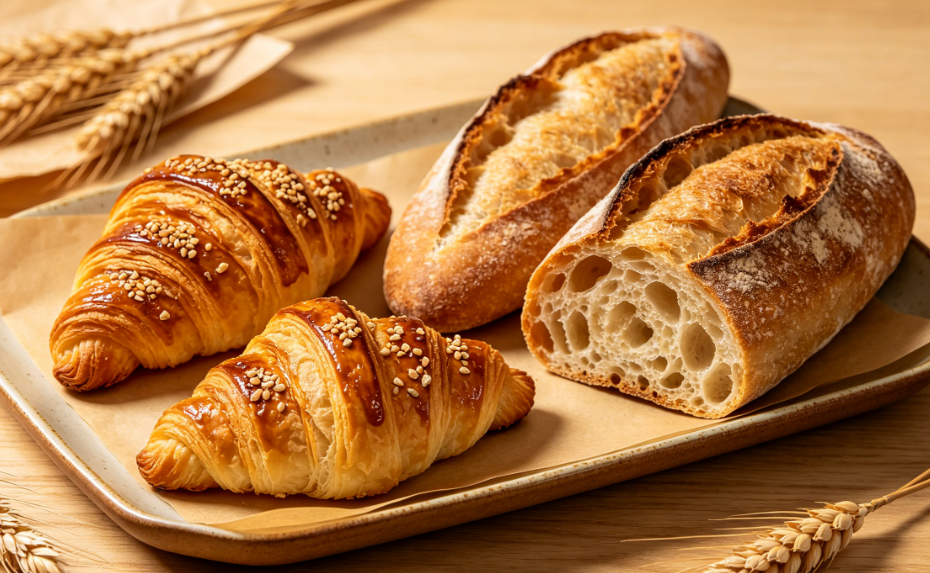
The shift from viral social media trends toward authentic local baking is backed by significant data. Predictive analytics based on semantic AI suggest that online sales of local specialties are expected to grow by 29% this year. Consumers are moving past mere novelty, searching instead for food that offers a sense of place. This might manifest as a specialty loaf from a neighborhood baker or a traditional recipe preserved across generations. The search for "authenticity" is skyrocketing; for instance, online queries for "authentic Mexican desserts" have risen by 39%, while specific searches for "authentic French bakeries near me" have surged by a staggering 1,700%.
There are several psychological and social drivers behind this revival of regional baking traditions. Many consumers believe that artisan-crafted bread and pastries are inherently fresher and more flavorful than mass-produced supermarket alternatives. However, quality is only part of the story. A renewed sense of regional pride and a focus on local sustainability play equally vital roles. Foods rooted in a specific locale are often perceived as better for personal health and the environment. By utilizing local ingredients and time-honored techniques, bakers demonstrate a level of transparency and mindfulness that resonates with a public tired of impersonal, industrialized food systems. Traditional recipes provide more than just nostalgia; they offer comfort, continuity, and a genuine connection to one’s community.
In the professional foodservice sector, brands are successfully tapping into this localized identity to build consumer trust. Whether it is a New York bistro honoring Italian-American heritage with a specialty mozzarella burger or a bakery highlighting the cultural significance of Scottish shortbread, the goal is to create emotional resonance. Chefs and bakers are discovering that when food is tied to a specific moment or place, it becomes much more meaningful. This strategy allows businesses to stand out in a globalized market where innovations are quickly copied. By leaning into local ingredients and centuries-old techniques, artisans create products that are distinctive and nearly impossible to replicate at a massive scale.
Furthermore, the pursuit of authentic flavors is driving a more precise diversification of global cuisines. General labels like "Asian snacks" are being replaced on menus by specific items such as Korean fried chicken, Nepalese momos, or Taiwanese scallion pancakes. In the United States alone, nearly 40% of consumers express interest in specific regional specialties like those from Kerala, India. This precision extends to the world of chocolate as well, with brands like Marou in Vietnam leading the way. By sourcing single-origin cacao from specific provinces and infusing bars with local flavors like Pho spices or Vietnamese coffee, they elevate the product through the story of its "terroir."
Ultimately, for bakers, pastry chefs, and chocolatiers, the path forward lies in honoring these roots while adapting them for modern life. The most successful products today are those that combine familiar formats with culturally significant flavors, all supported by a clear and respectful narrative. As consumers become more knowledgeable and discerning, they are no longer looking for just a snack; they are looking for a piece of heritage they can trust.
Bakery China 2026 will continue to share more industry professional content with you, so please stay tuned!
Bakery China 2026, organized by China Association of Bakery and Confectionery Industry (CABCI) and Bakery China Exhibitions Co., Ltd. was launched since 1997. Bakery China 2026 is the Asia Pacific’s leading event serving the entire value chain for the bakery and confectionery market. The event presents all range of ingredient, equipment, packaging and services, and enables global leading professionals and buyer delegates to meet and share the latest innovations and thinking on manufacturing & distribution, R&D, applications and related services for bakery industry. It is the first-choice trade fair to enter China’s bakery market.
The 2026 ASEAN International Bakery Exhibition (Bakery ASEAN), will be held on August 27-29 at JIExpo (Jakarta, Indonesia), co-located with renowned WEPACK Indonesia, Cafe Show Indonesia held by Reed Exhibitions Group, is a premier trade event focusing on the bakery and related industries in ASEAN and global markets. the shows will be covering 20,000 square meters, expecting more than 500 exhibitors and 50,000 professional buyers including distributors, imports and exports, manufacturers, chain stores, supermarkets, convenient stores, hotels and cafes, etc. from not only the ASEAN but also the rest of the world.
Source: tastetomorrow

© 2015-2022 Bakery China Exhibitions Co., Ltd. 京ICP备14040776号-1 
All the third-party information is all advertisement.