|
| 







Countdown
As the global food industry enters a transformative phase, the intersection of aesthetic appeal and environmental responsibility has become the primary focus for the baking sector. In this modern era, consumers no longer view high-quality baked goods and eco-friendly packaging as separate entities; instead, they are seen as a unified standard for brand excellence. Modern bakeries are increasingly adopting innovative materials that not only safeguard the freshness of delicate pastries but also minimize the ecological footprint. This systemic shift toward circularity is redefining how products are showcased on shelves, ensuring that the journey from the oven to the table is both beautiful and sustainable, a trend that is taking center stage at the upcomingBaking Packaging Exhibition.
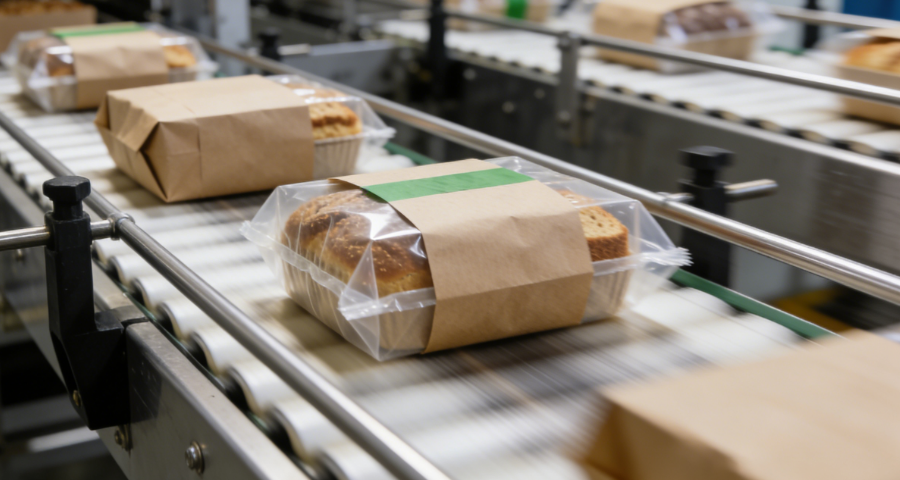
The current transition toward sustainable solutions is driven by a sophisticated understanding of material science. Research indicates that the shift away from traditional single-use plastics is not merely a temporary trend but a fundamental restructuring of the entire supply chain. Industry experts suggest that the integration of compostable films and recyclable paperboards is becoming the baseline for all new product launches moving forward. These materials are now engineered to provide the same barrier properties as their predecessors, effectively protecting moisture levels and preventing oxidation. These technical factors are crucial for maintaining the sensory qualities—such as the crispness of a crust or the softness of a crumb—in artisanal breads and delicate cakes alike.
Market analysts observe that the move toward "right-sized" packaging is another significant development gaining momentum. By optimizing the dimensions of containers to fit specific products, companies are effectively reducing material waste and streamlining logistics. This precision-based approach reflects a broader commitment to efficiency that resonates with modern environmental values. Furthermore, the use of water-based inks and biodegradable coatings is replacing traditional chemical-heavy alternatives. This ensures that every element of the package can be safely returned to the environment or repurposed within a circular economy, reducing the pressure on waste management systems globally.
The leadership teams at major packaging groups highlight that transparency has become a key driver of consumer trust in the current market. Future-oriented designs now frequently incorporate clear labeling regarding the origin of materials and the specific disposal methods required for the end user. This educational aspect of packaging helps guide the public in participating in recycling programs effectively. Scientific researchers focusing on polymers have successfully developed plant-based resins that mimic the clarity of plastic. This allows the visual appeal of the baked goods to remain the focal point for the buyer while adhering to strict environmental criteria that are expected to be the global norm.
Beyond the materials themselves, operational strategies within the baking sector are also evolving to accommodate these new substrates. High-speed production lines are being recalibrated to handle thinner, more flexible sustainable films without compromising output efficiency. Industry observers note that while the initial transition required investment in machinery and training, the long-term benefits include enhanced brand loyalty and compliance with increasingly stringent global standards for waste reduction. The synergy between functional design and ecological integrity is expected to be a permanent fixture in the industry’s growth strategy.
Moreover, the psychological impact of packaging on the consumer experience cannot be understated. The "unboxing" experience of a bakery product is increasingly defined by the tactile feel of sustainable materials. Recycled textures and earthy tones are being utilized by design teams to signal a premium, "farm-to-table" authenticity. This aesthetic shift aligns with the values of a new generation of shoppers who prioritize ethical sourcing as much as taste. Professional researchers in the field of consumer behavior have noted that products packaged in clearly sustainable containers often perceive a higher value compared to those in traditional plastic, allowing bakeries to justify the transition as a value-added service rather than just a cost of doing business.
The logistical advantages of modern, sustainable packaging are also becoming more apparent. Newer bio-based materials are being developed to be lighter than traditional glass or heavy-duty plastics, which significantly reduces the carbon footprint associated with transportation. For large-scale bakery operations that distribute products across regions, these incremental savings in weight lead to substantial reductions in fuel consumption and shipping costs. This holistic view of sustainability—considering the product’s life cycle from the material source to the final delivery—is what separates industry leaders from their competitors in this rapidly changing market.
In conclusion, the future of baking packaging is being written through a lens of persistent innovation and moral responsibility. As the industry continues to refine its practices, the focus remains on delivering a premium experience that honors both the craft of baking and the health of the planet. The evolution of these technologies, the creative ways they are implemented, and the collaborative efforts between material scientists and master bakers will continue to be a major highlight for professionals and stakeholders attending the Baking Packaging Exhibition.
Source: Bake Magazine

© 2015-2022 Bakery China Exhibitions Co., Ltd. 京ICP备14040776号-1 
All the third-party information is all advertisement.