|
| 







Countdown
In the bustling streets of Indonesia and Malaysia, the rich aroma of butter and freshly baked batter often draws crowds from afar. Following the scent usually leads to a street vendor standing beside a large round griddle, pouring thick batter onto the hot surface. Within minutes, the pancake is generously topped with grated cheese, chocolate sprinkles, crushed peanuts, and condensed milk before being folded and cut into squares. This indulgent and visually striking dessert is known as Martabak Manis, widely regarded as one of Indonesia’s most beloved traditional sweets.
As global interest in Southeast Asian bakery products continues to grow, traditional desserts such as Martabak Manis are gaining increasing attention from international food professionals. Events such as the Indonesia BakingExhibition provide valuable platforms for showcasing regional bakery specialties and exploring how traditional street foods inspire modern baking innovation.
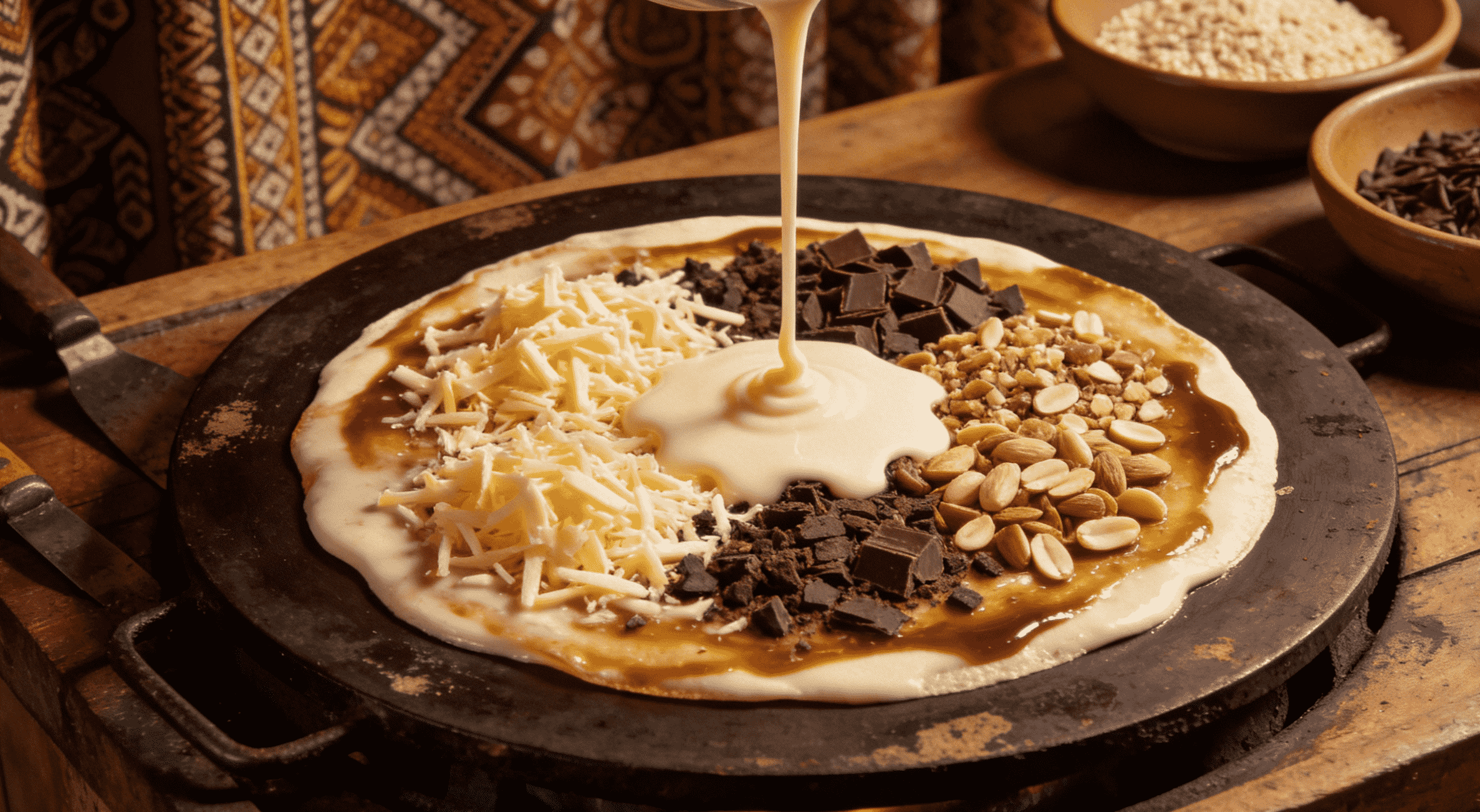
Martabak Manis shares similarities with several Asian-style pancakes. Its thick, fluffy texture resembles pancakes found in Taiwanese night markets, yet its distinctive toppings, cooking method, and cultural background give it a unique identity that has made it a favorite treat across Indonesia and neighboring countries.
Historical Origins and Cultural Background
The origins of Martabak Manis are often linked to southern China, particularly the Fujian region. Historical accounts suggest that the sweet pancake evolved from adaptations of traditional Chinese flatbreads brought to Southeast Asia by early migrants.
According to popular culinary folklore, variations of sweet pancakes were developed to create portable and filling foods during long journeys or military campaigns. Ingredients such as crushed peanuts and sugar were added to baked pancakes, creating an energy-dense food that was easy to transport and share. Over time, these sweet pancakes spread among local communities in coastal regions.
During the late nineteenth and early twentieth centuries, waves of Fujianese and Hakka migrants carried these cooking techniques to Southeast Asia. As the recipe reached Indonesia, Malaysia, and Singapore, it gradually evolved by incorporating local ingredients and flavors. In Indonesia, the dessert became widely known as Martabak Manis, which literally translates to “sweet martabak.”
Traditional Preparation Techniques
Making a well-prepared Martabak Manis requires careful control of batter composition and heat. The ideal pancake features a crispy outer edge and a soft interior filled with honeycomb-like air pockets that absorb butter and toppings.
A traditional batter typically includes wheat flour, eggs, milk, sugar, and leavening agents such as baking powder and baking soda. Some recipes also add a small amount of rice flour to create a crispier texture.
After the batter is mixed into a smooth consistency, it is poured into a thick round metal pan and cooked slowly over low heat. As the pancake cooks, bubbles form across the surface, creating its characteristic porous structure. A small amount of sugar may be sprinkled on top to enhance caramelization before the pan is covered to finish cooking. Once the surface is fully set and the edges turn golden, the pancake is ready for toppings.
The Signature Toppings
Freshly cooked Martabak Manis is brushed with a generous layer of butter or margarine while still hot, allowing the melted fat to seep into the pancake’s porous texture.
The most iconic topping combination in Indonesia is chocolate and peanut, often called Chocolate Kacang. Vendors scatter chocolate sprinkles and crushed peanuts over the pancake before adding condensed milk. Other common toppings include shredded cheese, sesame seeds, and sweet corn.
After the toppings are added, the pancake is folded in half, brushed with more butter, and cut into square pieces for sharing.
Modern Innovations in Indonesian Martabak
Despite its traditional roots, Martabak Manis continues to evolve with modern culinary creativity. Indonesian bakeries and street vendors have introduced new ingredients and presentation styles that appeal to younger consumers.
One visible change is the variety of pancake batters now available. In major cities such as Jakarta, vendors offer colorful variations including pandan-flavored green batter, red velvet batter, and charcoal-infused versions inspired by Black Forest desserts.
Presentation styles have also evolved. Instead of folding the pancake, some vendors serve it open and slice it like a pizza. Each slice may feature different toppings such as chocolate spreads, cookie crumbs, matcha desserts, or imported chocolate products. This modern approach allows customers to enjoy multiple flavors in one serving.
A Dessert That Reflects Cultural Exchange
Martabak Manis represents more than just a street dessert. Its history reflects a broader story of migration and cultural exchange across Asia. A simple pancake influenced by Chinese culinary traditions traveled to Southeast Asia with early migrants and gradually incorporated local ingredients such as pandan and coconut, while later adopting Western ingredients like butter, cheese, and chocolate.
Today, Martabak Manis remains a beloved treat throughout Indonesia. As global interest in regional bakery traditions continues to grow, events such as the Indonesia Baking Exhibition highlight how heritage foods like Martabak Manis can inspire innovation in contemporary baking while preserving their cultural roots.
Source: UpToGo

© 2015-2022 Bakery China Exhibitions Co., Ltd. 京ICP备14040776号-1 
All the third-party information is all advertisement.